
Buying a new car is a big deal. It brings joy, pride, and convenience. But before you drive off, there’s one step you must never skip—PDI of car. This stands for Pre-Delivery Inspection. It makes certain that the car is not spoiled, factory flawed or shipped incorrectly. Even when you are purchasing a car as your fifth vehicle worth buying, a good PDI would give you a headache free future. Here we go, through all what you should check. It is going to be short, simple, and clear.
What Is a Pre-Delivery Inspection (PDI)?
A Pre-Delivery Inspection is a full check done before the car is handed over to you. Think of it as your final safety net. Dealerships may claim to inspect the vehicle. But your own check ensures you don’t receive a faulty car.
In simple words, a PDI of car includes checks on the car’s body, electronics, interior, mechanical parts, fluids, and test drive. Even documents and keys are verified. This check gives confidence. It ensures the car is brand new, well maintained, and delivery-ready.
Exterior Lookover Before Delivery
Always start with the car’s outer body. This is your first visual check. Make sure you inspect the car in proper daylight.
Things to check:
- Ask the dealer to park it in sunlight. Shadows hide flaws.
- Look for scratches, bubbles, dents, or uneven paint.
- Compare the paint shade on all panels. It should match.
- Open and close all four doors. They must shut smoothly.
- Don’t forget to inspect the bonnet and boot operation.
- Check the engine bay. It should be clean, with no dust.
- Find and match the VIN. This is visible near the windshield.
- Inspect glass windows for cracks or spots.
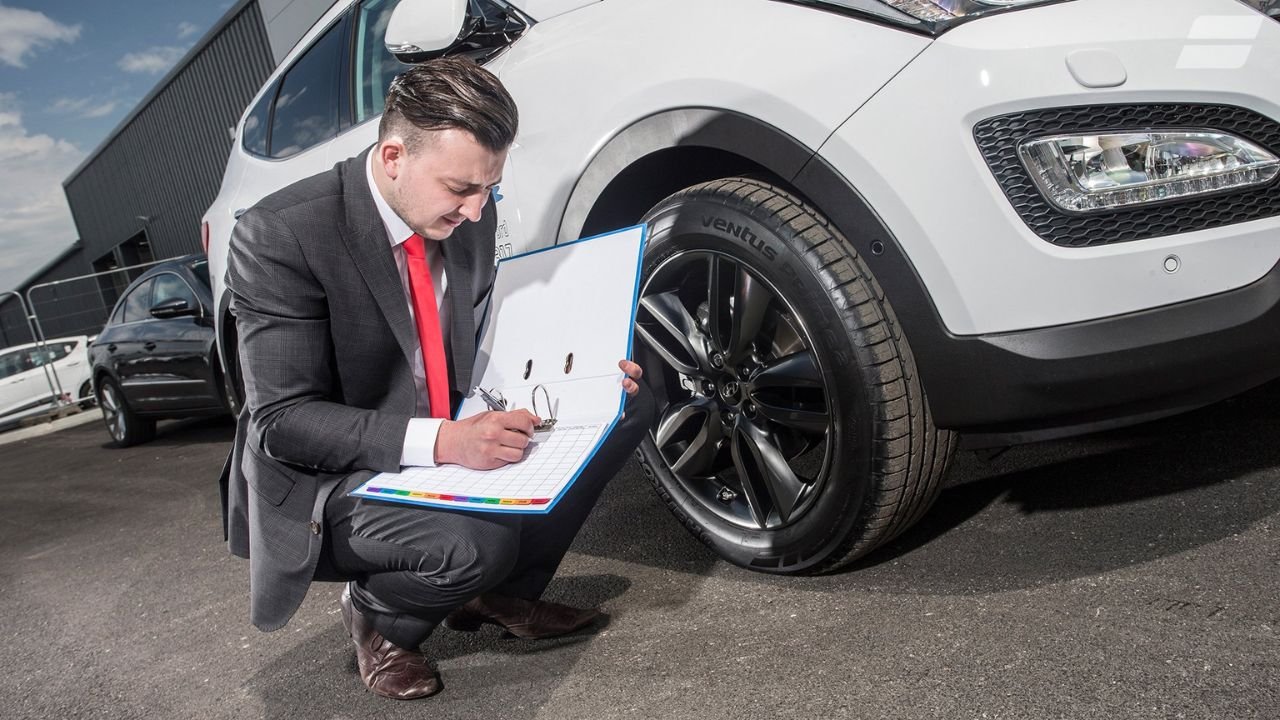
- Ensure the tyres are unused and the treads are deep.
- Look at the spare tyre, jack, and toolkit. All must be brand new.
If you find even a small flaw, report it to the manager. Get it resolved before signing any documents.
Cabin and Interior Checkpoints
Now step inside. The interior should feel brand new, without damage, smells, or poor fittings.
Your interior checklist:
- The dashboard should be dust-free and clean.
- Screens must be scratch-free and show no signs of use.
- Seat fabric or leather should have no stains.
- Sit on all seats. Check cushioning and adjustment.
- Try the seatbelts. Pull and release each one.
- Open the glove box and door pockets.
- Turn on cabin lights. They should work instantly.
- Look under the mats. There should be no water or moisture.
- Glance at the ceiling. No marks or sagging fabric.
- Test the steering wheel movement and adjustment.
- Lastly, check the odometer. It must show less than 100 km.
New cars should feel fresh and untouched. If it doesn’t, raise a concern immediately.
Check Car Electricals Properly
Electronics are the heart of modern vehicles. This PDI step ensures everything lights up, beeps, and functions right.
Test each electronic part:
- Start the car and listen. It should start instantly.
- Turn the AC on. Cooling should start quickly.
- Check the wipers, horn, and indicator switches.
- Turn headlights on. Check low beam, high beam, and fog lights.
- Activate brake lights and hazard lamps.
- Try the infotainment system. Connect Bluetooth if possible.
- Play music. Test every speaker.
- Try all cabin and boot lights.
- Check sunroof buttons if applicable.
- Adjust and test powered mirrors and windows.
Even a small electric fault can cost time and money. Better to fix it before delivery.
Fluid Levels That Should Be Checked
Fluids are the car’s lifeblood. Without proper levels, your new car can wear out early.
Check the following fluids under the hood:
- Pull the engine dipstick. Oil should sit between the two dots.
- Look into the coolant tank. It must be filled to the right mark.
- Check brake fluid. The level should be close to “Max.”
- Ensure windshield washer fluid is topped up.
Ask the staff to refill anything that looks low. Fresh fluids show good maintenance and confirm recent servicing.
Small Test Drive for Assurance
You’ve checked the car. Now feel how it drives. A short test drive tells a lot.
What to watch while driving:
- Start the car and feel the idle sound. It should be steady.
- Press the accelerator gently. Response must be smooth.
- Try the brakes at low speed. They shouldn’t be jerky.
- Shift gears slowly. Each shift should be seamless.
- Listen for odd sounds from under the car.
- Release the steering briefly (on an empty road). The car should stay straight.
- Take a U-turn. The steering should not feel stiff.
Drive at least 2–3 kilometers. The goal is to test comfort, balance, and stability.
Verify the Extra Key Functionality
Your new car comes with at least two keys. Both must work properly. Don’t forget to test them before accepting the vehicle.
Things to check with the spare key:
- Use it to lock and unlock all doors.
- Start the car with the second key.
- Test remote boot or smart key features if available.
- Make sure battery power is strong in both keys.
Sometimes duplicate keys are faulty or unprogrammed. This is your only chance to fix it for free.
Don’t Forget the Documents and Insurance
Though not a physical part of the PDI, documentation matters just as much.
Ask the dealer for:
- Invoice and registration papers.
- Insurance copy (third-party or comprehensive).
- Road tax receipt.
- Extended warranty papers (if opted).
- Pollution certificate (PUC).
- Owner’s manual and service book.
Check your name and chassis number on every document. One small spelling mistake can delay registration or insurance claims.
Why Car PDI Helps in the Long Run?
Many buyers skip this step. But those who do proper car PDI enjoy a smoother journey ahead.
Here’s why:
- You avoid repair runs in the first month.
- You spot issues before signing any document.
- You save time arguing with customer service later.
- You start your car journey stress-free.
Also, a flawless car helps in resale value. Buyers prefer cars without factory defects, no matter how small.
Final Thoughts: PDI of Car is a Must
Excitement is natural when buying a new car. But don’t rush. Always take time to complete a thorough PDI. Check everything—outside, inside, underneath, and under the hood. Drive the car. Feel it. Test the electronics. Look at the fluids. Check the keys and documents.
Bring someone with you. A friend or family member can help you spot things you might miss. Together, you’ll ensure your car is perfect before it leaves the showroom. Never feel shy to point out issues. It’s your right as a buyer. Dealerships are used to it and will usually fix problems immediately.
Share via: