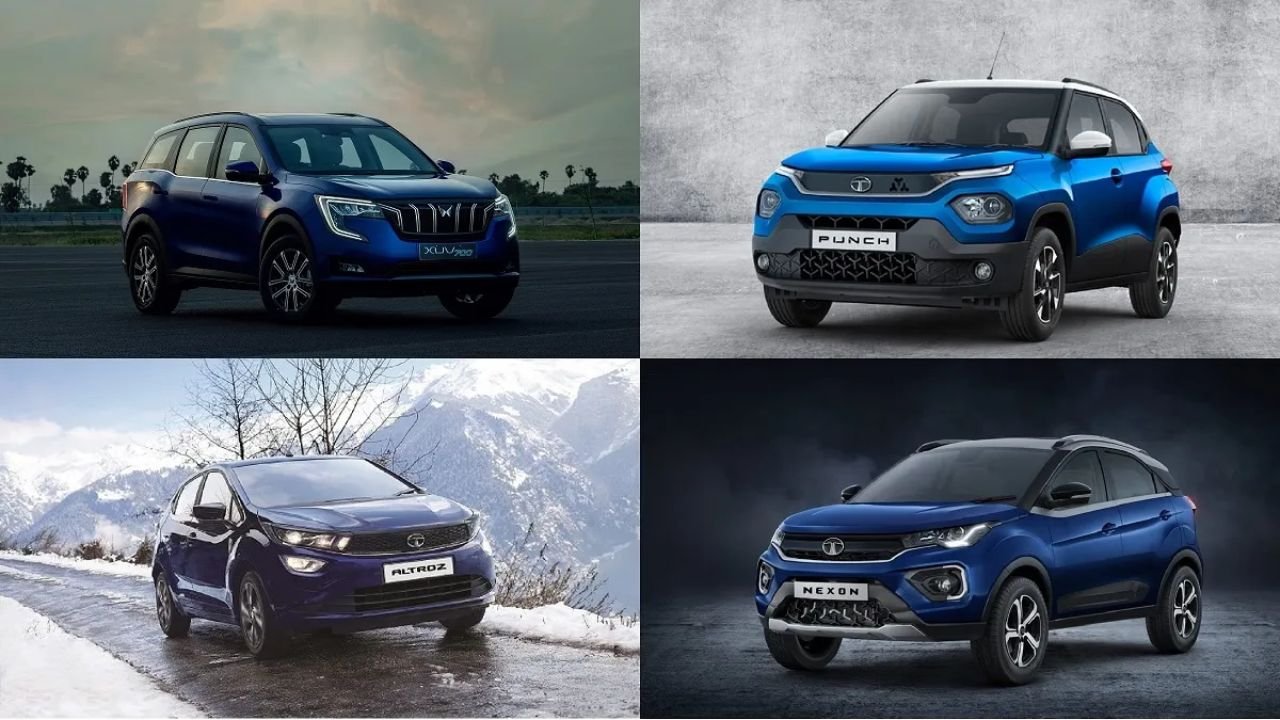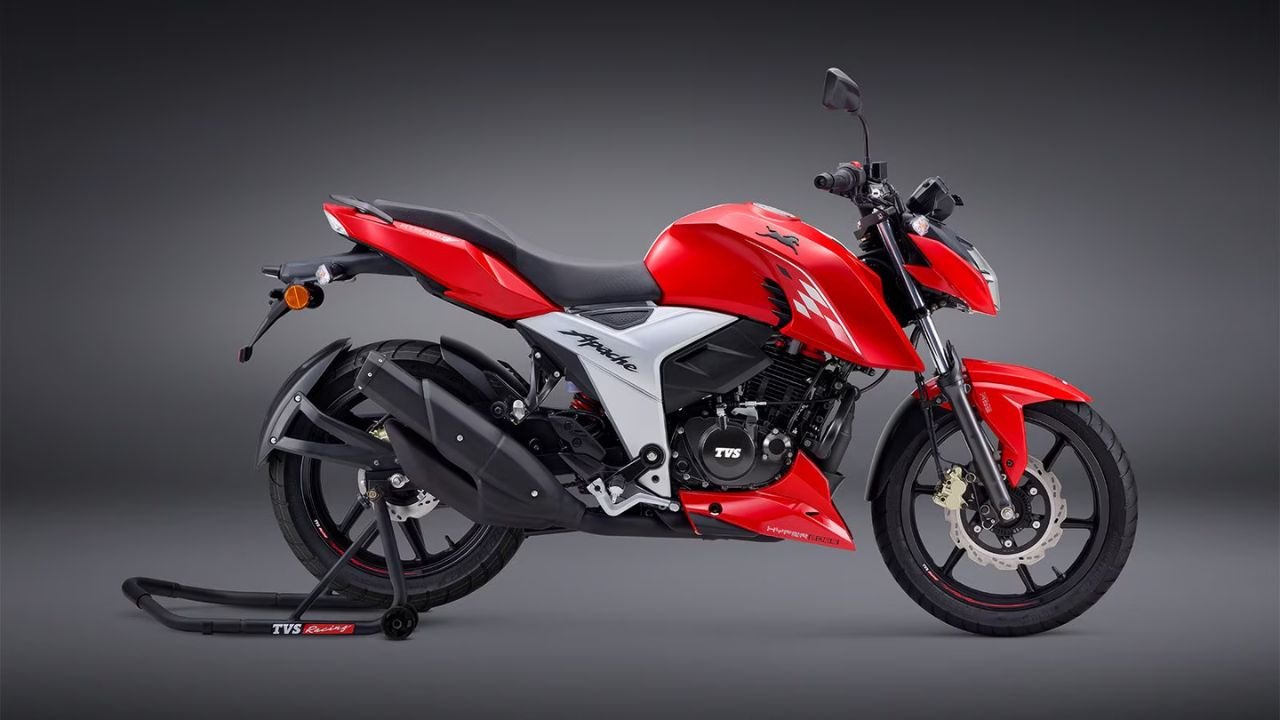


Automobiles have come a long way. It is no longer machines. They are very smart, hygienic, and always evolving in 2025. Due to new car technology, our way of thinking concerning transport has altered. The change here is not necessarily regarding good engines or faster speeds. It is a relation of people with the environment, roads and vehicles. It is as clear as electric power, intelligent software, and enhanced safety systems, the change is evident, and it is gaining strength.
Outline of the Latest Automotive Industry Trends
The car you drive today isn’t the same as the one from ten years ago. And tomorrow’s car will be smarter still. New technology in automobile design has shifted toward innovation that improves efficiency, enhances safety, and lowers environmental impact. From fully connected dashboards to AI-based driving systems, today’s cars are made to think, react, and improve.
We’re seeing a demand for more intelligent vehicles—ones that not only respond but also adapt. The manufacturers are responding to this demand by prioritising sustainability, automation and high-performance technology. All areas of the vehicle are affected by the change: software, fuel, design, data, and even ownership.
What’s Coming Next for Automotive Industry in 2025?
We’re in the middle of a revolution in car technology. These five trends are leading the way.
1. Electric Cars
Electric vehicles (EVs) have gained enormous momentum. They are no more luxury novelties, these are mainstream.
By 2025, the vast majority of the major carmakers have transitioned a great part of their output to EVs and plug-in hybrids. Cities are infrastructure with governments providing incentives to promote the notion of electric mobility.
What’s Holding EVs Back?
Despite rapid growth, EV adoption isn’t without its hurdles:
- Charging station availability remains inconsistent in rural or developing areas.
- Battery production is expensive and limited by rare materials.
- Trade and political tensions impact the EV supply chain.
These factors can slow down accessibility and adoption rates, especially for mid- and low-income markets.
Why Hybrids Are Back in Demand?
While EVs dominate headlines, hybrids are seeing renewed interest. They offer flexibility in areas without charging infrastructure and still contribute to emission reduction.
Hybrid models are less expensive and easier to produce, making them ideal for transitional markets moving toward full electrification.
China’s Global EV Expansion
China is setting global standards in EV production. Brands like BYD, Xpeng, and NIO are challenging legacy automakers by offering high-quality electric vehicles at lower costs.
With state support, they’re leading not just in domestic markets but also in global exports. In 2025, China is expected to sell more EVs than internal combustion engine vehicles.
2. Software-Defined Cars
Cars are becoming digital platforms. Software now controls everything—navigation, performance, safety systems, and even entertainment. These software-defined vehicles (SDVs) get updates over the air (OTA), meaning your car evolves without needing a garage visit.
Advanced connectivity also allows for better diagnostics, real-time monitoring, and predictive maintenance—improving driver experience and vehicle lifespan. Honda, for example, is working with Amazon Web Services to make these upgrades faster and more reliable. This collaboration is just one example of how tech companies are now central to the car manufacturing process.
3. Self-Driving Cars
Self-driving technology is moving from labs to highways. In 2025, we’re seeing Level 3 autonomy becoming a common feature in premium vehicles.
These systems handle:
- Lane changes.
- Speed control.
- Emergency braking.
- Real-time traffic navigation.
While full autonomy (Level 5) is still years away, Level 4 cars (high automation) are being piloted in some cities, particularly for delivery services and urban shuttles. What makes this possible? Improvements in sensor technology, AI processing, and vehicle-to-everything (V2X) communication. This trend is central to future changes in automobile technology and is already impacting how we plan urban transportation.
4. Alternative Fuels
Not all drivers are ready to go electric. That’s why synthetic fuels, or e-fuels, are being explored as greener alternatives to diesel and gasoline. Made using renewable energy and captured CO₂, e-fuels allow traditional combustion engines to operate with lower emissions.
In 2025, the European Union has allowed e-fuel vehicles to continue beyond the 2035 gas ban—provided they meet zero-emission standards. This keeps options open for car lovers, collectors, and markets where EV infrastructure is still under development.
5. Auto Industry Faces Supply Chain Potholes
The automotive sector relies on thousands of components from all over the world. That’s why global disruptions—from pandemics to political unrest—cause massive slowdowns.
In 2025, supply chains still struggle due to:
- Semiconductor shortages.
- Raw material price spikes.
- Labor shortages in skilled manufacturing.
- Cross-border policy shifts.
Manufacturers are responding by:
- Investing in local production hubs.
- Using automation to reduce dependency.
- Building strategic reserves of critical parts.
Still, these disruptions limit how fast new car technology can reach customers. The industry is adapting, but the process takes time.
More Game-Changing Car Tech to Watch
Beyond the major shifts, smaller—but equally powerful—tech innovations are shaping the way we experience cars.
Connected Cars That Communicate in Real Time
Your car can now communicate with:
- Traffic signals.
- Other vehicles.
- Infrastructure like tolls and weather systems.
This real-time communication is powered by 5G networks. It improves safety, reduces congestion, and optimizes routes. Inside the car, infotainment systems are evolving into full entertainment hubs with AI voice commands, real-time navigation, and mobile sync features. Expect more personalization—your car will remember your settings, preferences, and even your favorite podcasts.
Smarter Safety Tech Saves Lives
Safety isn’t just about airbags anymore. In 2025, new EU regulations make advanced systems mandatory:
- Emergency lane assist.
- Intelligent speed limiters.
- Pedestrian and cyclist detection.
- Drowsiness and distraction monitors.
These features are a major part of new technology in automobile design. They aim to reduce human error, which causes over 90% of road accidents globally. With real-time alerts and active prevention tools, safety in 2025 cars is proactive, not reactive.
Car Ownership Isn’t a Must Anymore
Shared mobility is growing. With Mobility-as-a-Service (MaaS), users can plan, book, and pay for multiple modes of transport through a single app.
In cities, people are moving away from personal vehicles. They’re using:
- Bike and scooter shares.
- Car-hailing apps.
- On-demand shuttles.
This trend is supported by real-time traffic data and ride-matching algorithms. It’s ideal for reducing costs, emissions, and urban congestion.
3D Printing Is Reshaping Manufacturing
3D printing, or additive manufacturing, is speeding up production lines. Automakers now print:
- Engine covers.
- Air ducts.
- Dashboard frames.
- Custom interior trims.
This saves time and money while allowing more customization. Prototypes that once took weeks now take days. For startups and luxury brands, this is a huge advantage.
5G Is the Backbone of Car Connectivity
5G isn’t just faster—it’s smarter. It allows your car to:
- Receive real-time hazard alerts.
- Connect to cloud-based traffic systems.
- Update itself without manual service.
Connected services like real-time insurance tracking and automated toll payments are becoming normal. This constant flow of data makes the car more responsive and interactive.
AR and VR Bring Cars to Life
Augmented and Virtual Reality are turning car shopping into an immersive experience.
Buyers can:
- Tour car interiors from home.
- Customize features in 3D.
- Experience test drives virtually.
Auto brands use VR to train staff and simulate crash tests. This reduces costs and improves safety—all without needing physical prototypes.
What’s Next for Drivers and the Auto World?
The road ahead is digital, electric, and smart. Every part of a vehicle—from the fuel it uses to the software it runs—is evolving. New car technology is no longer optional. It’s the foundation of every future-ready vehicle. And the future isn’t far—it’s already here. Whether it’s a silent EV, a self-parking sedan, or a shared ride via app, these future changes in automobile technology are reshaping mobility for everyone.
Share via: