The bike GST rate has undergone a major change in India after the latest GST Council meeting in September 2025. This update has made smaller motorcycles cheaper while increasing the cost of premium models. Buyers are keen to know how these new tax rules apply, what exemptions exist, and how prices will now vary. Let us look at all the important details in a clear and simple manner.
How Does GST Apply to Bikes in India?
GST on two-wheelers is applied at the time of sale. It covers new bikes, used bikes, and scooters, whether they run on fuel or electricity. These rules are made to ensure uniform taxation across the country. The e-way bill system is also important here. Whenever the value of the bike is more than ₹50,000, an e-way bill must be generated, even if the buyer is not registered under GST. The place of supply is decided based on where the bike is delivered. If the seller is registered, a proper tax invoice must be issued.
What Are the New GST Rates on Bikes and HSN Codes?
The GST Council revised the bike GST rate on 22nd September 2025. The tax on motorcycles depends on engine size, and electric bikes continue with their previous rate.
Latest GST Rates and HSN Codes
| Bike Type / Engine Size | Previous GST Rate | New GST Rate | HSN Code |
| Engine < 350 cc | 28% GST | 18% GST | 8711 |
| Engine > 350 cc | 28% GST + 3% Cess = 31% | 40% GST | 8711 |
| Electric Bikes | 5% GST | 5% GST (Unchanged) | 8711 |
This table shows a clear shift. Smaller engines are now taxed less, making them more affordable. But larger motorcycles face a heavy increase, raising their overall prices.
Can Input Tax Credit Be Claimed on Bike Purchases?
As per GST law, ITC (Input Tax Credit) is usually not allowed on bikes. However, there are some specific situations where ITC can be claimed.
Situations Where ITC Is Allowed
- If the bike is used for public passenger transport.
- If the bike is purchased for resale.
- If the bike is used in driving schools for training purposes.
Apart from these cases, ITC on bikes is not available. This restriction helps maintain a clear line between personal use and business-related purchases.
How Have Bike Prices Changed After the GST Update?
The revision in tax rates has directly affected the prices of motorcycles. Smaller bikes have become more affordable, while larger ones now cost more. Buyers can clearly see the impact in terms of savings or added costs.

Savings on Bikes Up to 350CC
| Brand | Model | GST Saving |
| Hero | HF Deluxe | Up to 5,500 |
| Honda | Dio 125 | Up to 6,200 |
| Suzuki | Burgman Street 125 | Up to 6,500 |
| Bajaj | Pulsar Series | Up to 12,000 |
| Royal Enfield | Hunter 350 | Up to 15,000 |
| Royal Enfield | Classic 350 | Up to 16,500 |
| Yamaha | R15 | Up to 17,500 |
| Suzuki | Models (general) | Up to 18,000 |
| Royal Enfield | Meteor 350 | Up to 19,000 |
| Bajaj | Motorcycle (general) | Up to 20,000 |
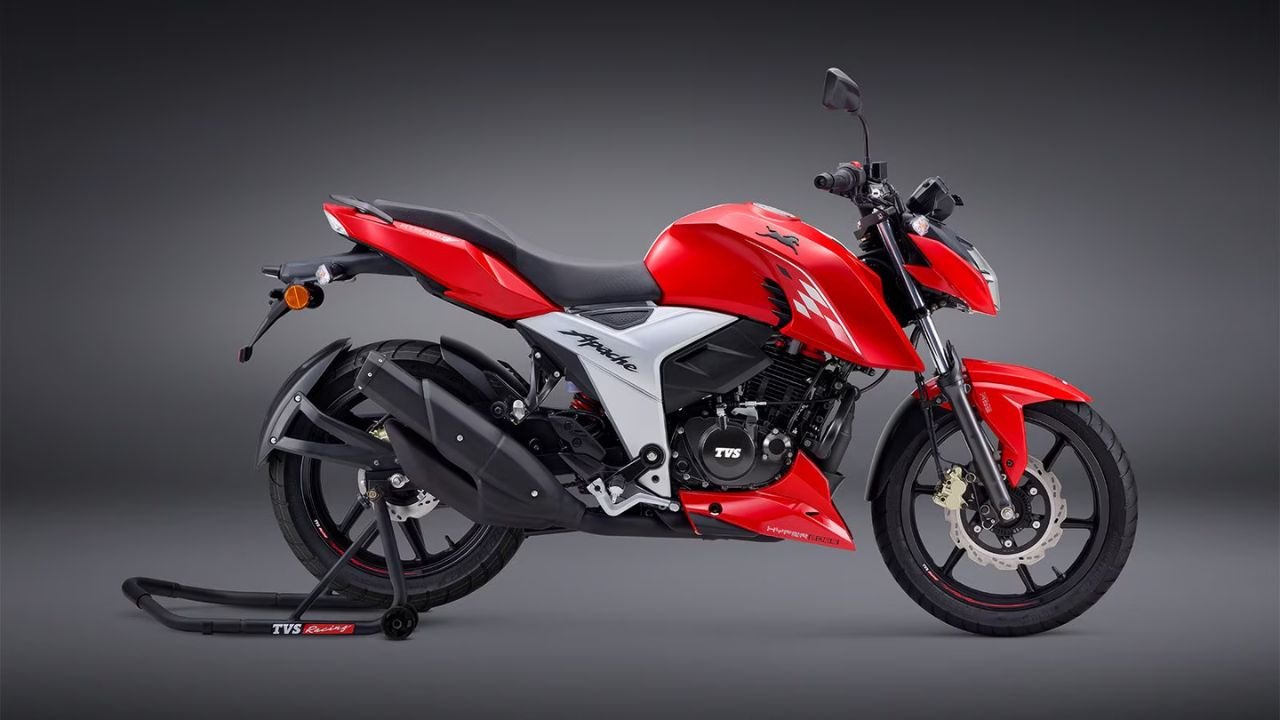
| TVS | Apache RTR/RR 310 | Up to 24,500 |
These figures show that buyers of entry-level and mid-range bikes now save more money compared to earlier.
Price Rise for Bikes Above 350CC
| Brand | Model | GST Price Increase |
| Royal Enfield | Himalayan 450, Scram 450 | Up to 22,000 |
| Bajaj-Triumph | Speed 400, Scrambler 400 | Up to 23,000 |
| Royal Enfield | Interceptor 650 | Up to 24,600 |
| Royal Enfield | Bear 650 | Up to 25,000 |
| Honda | CB 350 RS, H’ness 350 | Up to 25,000 |
| KTM | 390 Series (Duke, ADV) | Up to 25,000 |
| Royal Enfield | Shotgun 650 | Up to 28,000 |
| Royal Enfield | Super Meteor 650 | Up to 29,500 |
| Royal Enfield | Continental GT 650 | Up to 30,000 |
For those who prefer high-end bikes, the tax hike makes them more expensive. This is in line with the Council’s approach to balance affordability and luxury consumption.
How did car GST change, and why should you care?
I explain the GST for cars update. This affects buying cost and insurance. You will see sample numbers. Read the short intro. Then go deeper.

What are the new car GST slabs?
Small cars now attract 18% GST. Mid and large cars generally face 40% GST. EVs keep 5% GST with no cess. The change took effect on 22nd September 2025. This cut lowers ex-showroom prices. It also lowers IDV and insurance premiums.
| Car Segment | Old Tax Rate (GST + Cess) | New GST on Car Purchase | Effective Reduction |
| Small Petrol (≤1200 cc, ≤4 m) | ~29% (28% + 1%) | 18% | ~11 percentage points |
| Small Diesel (≤1500 cc, ≤4 m) | ~31% (28% + 3%) | 18% | ~13 percentage points |
| Mid-size (1201–1500 cc) | ~45% (28% + 17%) | 40% | ~5 percentage points |
| Large Cars (≥1500 cc) | ~48% (28% + 20%) | 40% | ~8 percentage points |
| Big SUVs (≥4 m, ≥1500 cc) | ~50% (28% + 22%) | 40% | ~10 percentage points |
| Electric Vehicles (EVs) | 5% (no cess) | 5% (no cess) | No change |
Example brand prices (approx.)
Below are sample prices before and after the GST cut. These are illustrative. They show typical savings buyers may see.
| Brand | Model | Before (₹) | Now (₹) |
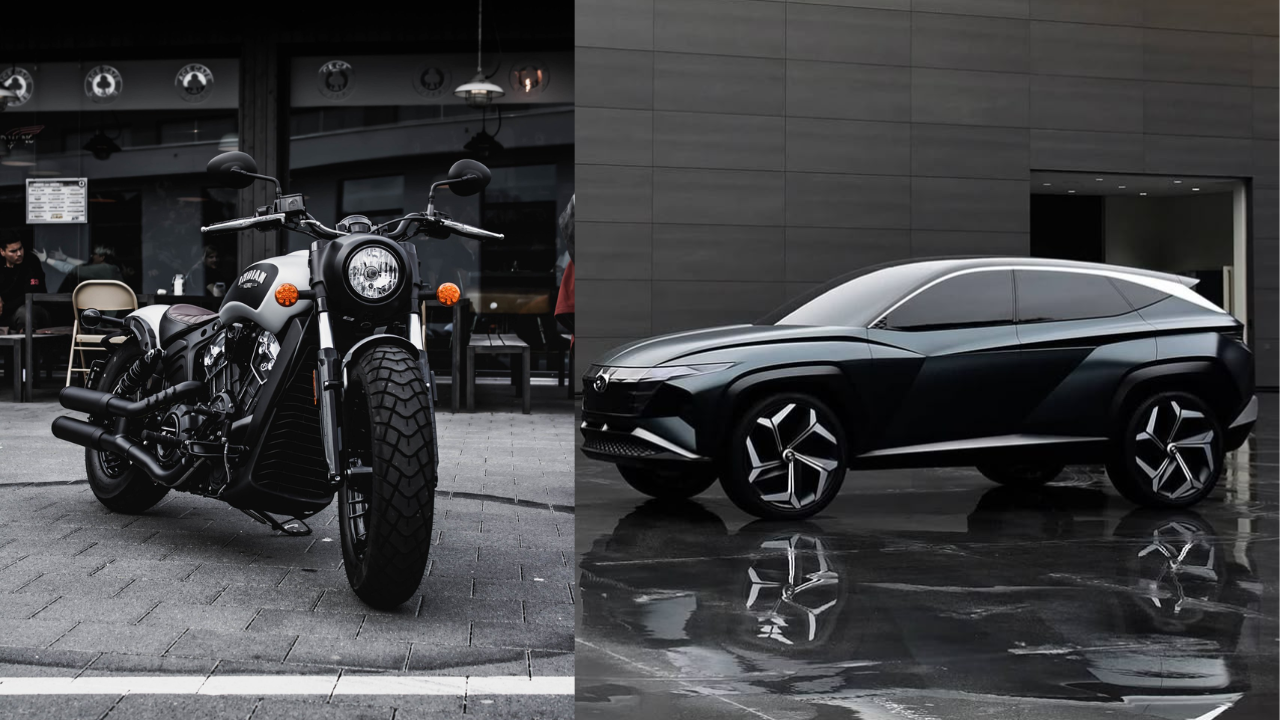
| Hyundai | Tucson | ~₹33.9 lakh | ~₹31.5 lakh |
| Creta | ~₹13.2 lakh | ~₹12.5 lakh | |
| Grand i10 Nios | ~₹7.5 lakh | ~₹6.8 lakh | |
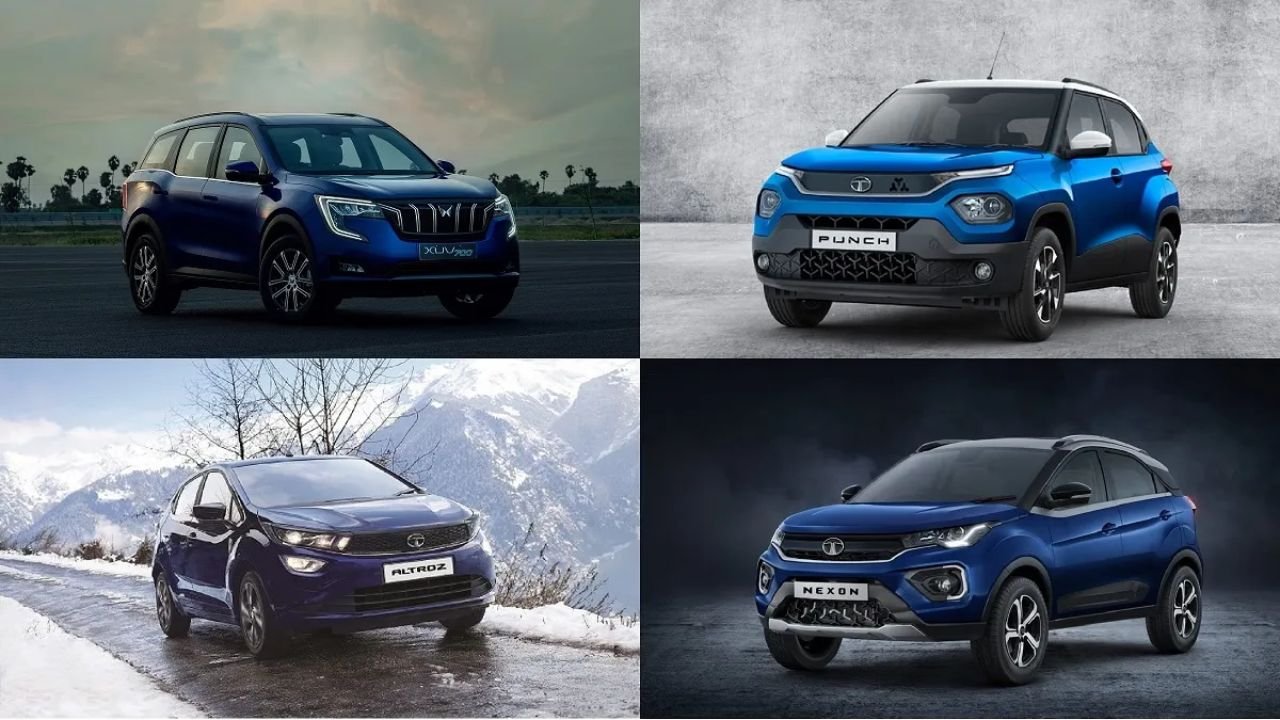
| Tata Motors | Nexon | ~₹12.7 lakh | ~₹11.2 lakh |
| Punch | ~₹8.6 lakh | ~₹7.8 lakh | |
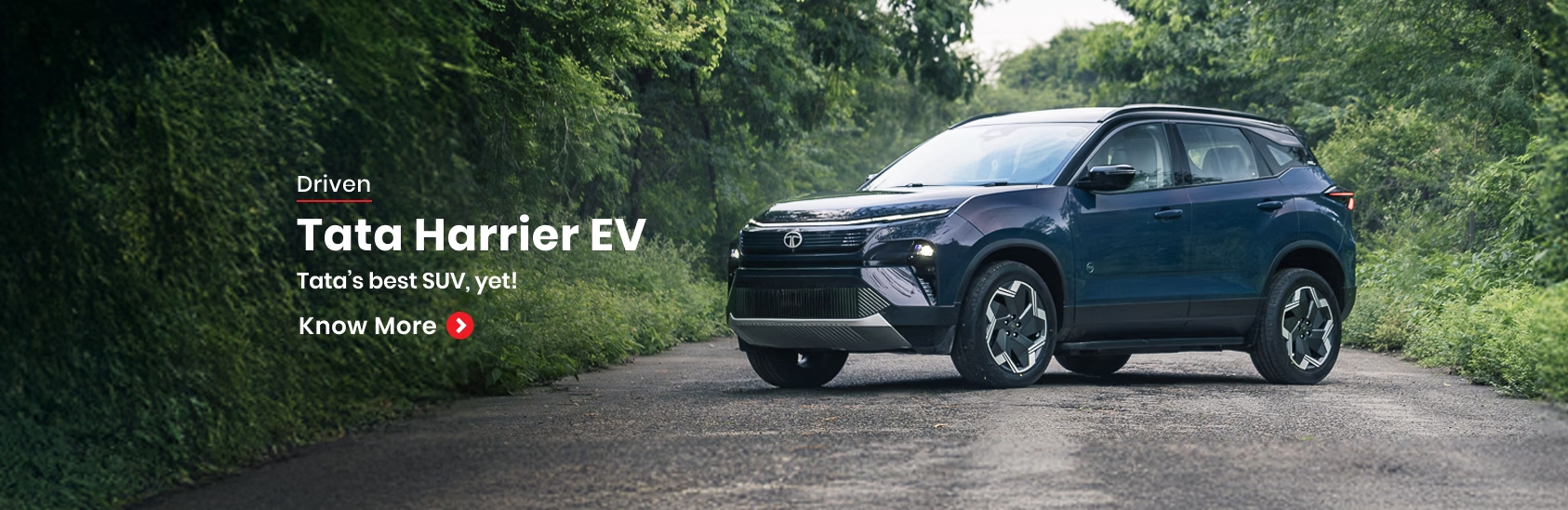
| Harrier | ~₹18.4 lakh | ~₹17.0 lakh | |
| Mahindra | XUV700 | ~₹23 lakh | ~₹21.6 lakh |
| Scorpio-N | ~₹21.9 lakh | ~₹20.5 lakh | |
| Thar | ~₹16.3 lakh | ~₹15.0 lakh | |
| Toyota | Fortuner | ~₹56 lakh | ~₹52.5 lakh |
| Innova Hycross | ~₹32 lakh | ~₹30.5 lakh | |
| Renault | Kiger | ~₹10.2 lakh | ~₹9.2 lakh |
| Skoda | Kodiaq | ~₹43 lakh | ~₹39.7 lakh |
| Audi | Q5 | ~₹73 lakh | ~₹65.2 lakh |
Conclusion
The bike GST rate update has created a clear divide between affordable and premium. Small bikes are now much cheaper, helping regular riders save money. Larger motorcycles have become costly, which may reduce demand for luxury models. For comparison, the changes are similar to how gst for cars is structured, where smaller models often enjoy lower tax and luxury cars face higher rates. Premium bikes and large cars cost more. Buyers should consider these tax rules before making a purchase decision.
The revised rules aim to boost sales of entry-level bikes while ensuring luxury motorcycles contribute more tax revenue. In short, the new structure makes the market fairer and encourages balanced growth.