Car wrapping has emerged as the most trending option among car owners seeking to rejuvenate the appearance of their vehicle but fail to spend a good fortune on a repaint job. If you want to make something look cool, popularize a company, or take care of the coating on the body, then car wrapping will be a convenient, wallet-friendly option.
In India, this trend is growing rapidly. However, there are specific rules, insurance implications, and maintenance tips that car owners must be aware of before investing in a wrap. This article will walk you through everything from legality to cost and help you decide whether wrapping is right for your ride.
What Exactly Is Car Wrapping?
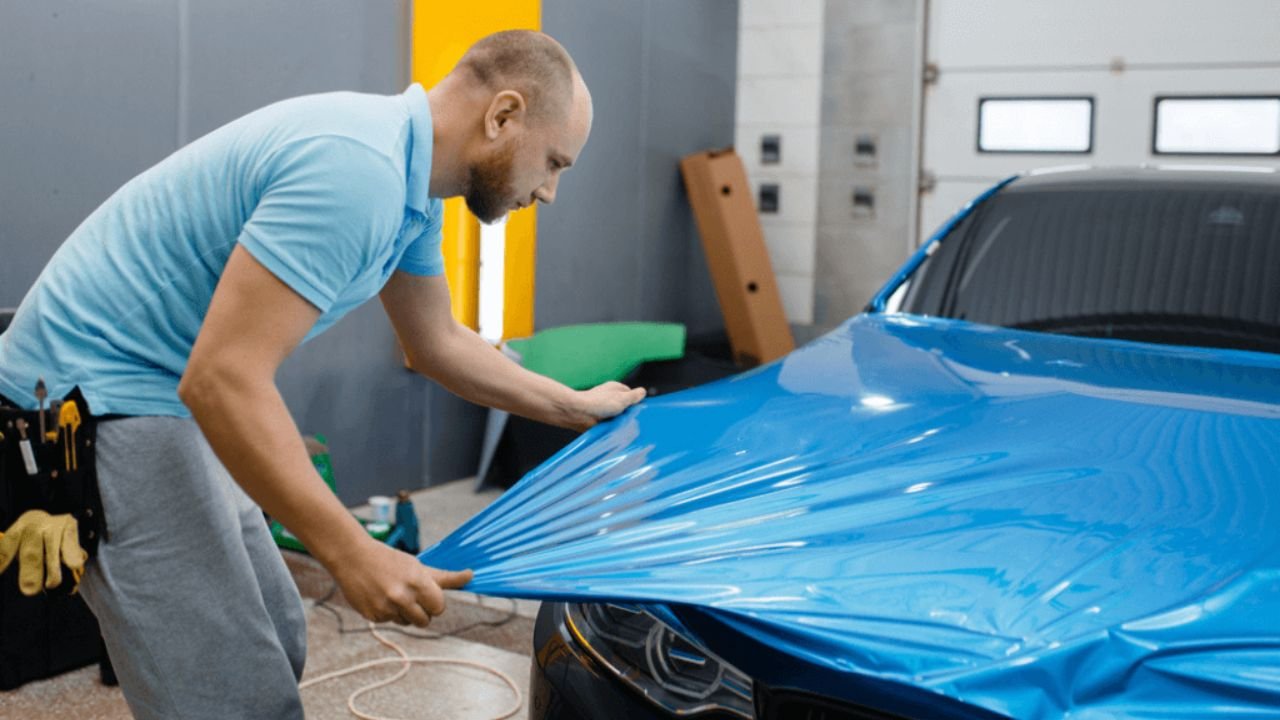
Car wrapping involves use of vinyl film over the body of a car as a way of altering the appearance. The film does not destroy the original paint, and can be stripped off or replaced whenever one wants. That’s what makes it so appealing for people who love change or want to protect their original finish.
The wraps come in various finishes, including matte, gloss, satin, metallic, and even textured looks like carbon fiber. You will be able to wrap the entire vehicle or a few other parts of it, such as the top, hood, or side mirrors. Wrapping offers you complete freedom of customizing the appearance of your car customization- without a long-term commitment.
Is Car Wrapping Legal in India?
Yes, car wrapping is legal in India but there is one big condition. The last color and texture of the wrap is supposed to correspond to what is indicated in the Registration Certificate (RC) of your car. When your car was registered as a white gloss it might be against the law to have it wrapped as a matte black or even matte white.
This rule is in place primarily to discourage the misuse of vehicles, theft and to facilitate their identification in criminal investigation. Make a vehicle change too dramatically and the authorities and the police might not be able to recognize it.
So before wrapping your car, it’s important to cross-check your RC. If you’re unsure, visit the Regional Transport Office (RTO) and get clarity. It’s always better to be safe than sorry.
Essential Things to Know Before Getting Your Car Wrapped
It is not only about the color or finish when it comes to wrapping. They must factor in whether they are legal, the effect it has on the climate, its quality of installation and their insurance policy.
1. Legal Restrictions on Colors and Textures
You have to make sure that your new wrap on your car remains the same as what appears on the RC. The change in finish could even as simple as gloss to matte, and be interpreted as a breach. When you need to get the feel of the texture or colour, then ensure you revise the RC or seek authorization of the authorities.
2. Durability Depends on Climate
Vinyl wraps are relatively long lasting; however, they can wear out due to their exposure to environmental conditions. Wraps can become faded, peeling, and bubbling in very hot, humid, or rainy territory. With good maintenance, the average car wrap that is installed can last three to five years.
3. Wrapping Takes Time and Skill
A car wrap is not something you can DIY unless you are trained. The process requires cleaning, prepping, precise application, and finishing. Poor installation may lead to air bubbles, creased edges, and a generally uneven finish. Always go to certified or experienced professionals to ensure long-lasting and flawless results.
4. Impact on Car Insurance
It is not quite clear to many people that wrapping impacts their cars insurance. The insurance should be informed because the car got some changes, which are related to the appearance. Failure to share this information with your insurer may cause claims to be rejected, or even breach of policy. There are instances that wrapping can raise your premium by a small amount depending on the insurance provider.
Advantages of Car Wrapping
Car wrapping comes with several benefits, from aesthetics to long-term savings.
1. Enhanced Appearance
A car wrap instantly changes the look of your vehicle. You can make your car look sportier, sleeker, or more premium without touching the original paint. It’s a great way to stand out on the road or turn heads during events.
2. Cost-Effective Alternative to Painting
Compared to a full-body paint job, car wrapping is much more affordable. While painting can cost ₹70,000 or more, most standard wraps are available for a fraction of the price. This makes wraps ideal for car enthusiasts who enjoy changing styles frequently.
3. Protects the Original Paint
Vinyl wraps act as a protective layer against scratches, chips, and harmful UV rays. They help preserve the underlying paint, especially if you plan to resell the car in the future.
4. Multiple Styles and Options
Car wraps are available in an endless variety of colors, finishes, and textures. Whether you want matte black, satin blue, chrome gold, or custom designs, the possibilities are endless.
5. Easy Application and Removal
One of the biggest perks is that wraps are non-permanent. You can remove them whenever you want, without damaging the original paint. This makes it perfect for those who like to update their car’s look regularly.
6. Perfect for Advertising
For businesses, car wrapping offers mobile branding. A single vehicle can act as a moving billboard, helping you promote your brand while driving around the city.
Disadvantages of Car Wrapping
Despite all the advantages, wrapping has a few limitations.
1. Concerns with Durability
In regions with harsh climate conditions—like extreme heat or coastal humidity—car wraps may not last as long. Fading, peeling, or bubbling are possible if the car isn’t regularly cleaned or parked in shaded areas.
2. Requires Time and Skilled Installation
You can’t rush a quality wrap job. It takes hours, sometimes even days, to prepare and apply the vinyl properly. Inexperienced hands can ruin the wrap, resulting in costly fixes or full redos.
3. Possibility of Higher Insurance Premiums
If your insurer considers the wrap a major modification, they might increase your car insurance premium. Always check with your insurer beforehand to understand how wrapping may affect your policy.
How to Get Your Wrapped Car Insured?
To ensure your wrapped car stays legally and financially protected, follow these insurance steps:
a. Inform Your Insurer First
Always notify your insurance provider before or right after wrapping your vehicle. This keeps your policy valid and helps avoid issues when filing claims. The insurance company may request pictures or a receipt from the wrap service.
b. Have the Correct Documents Ready
Submit updated information about your car’s appearance. Include the wrap’s color, finish, and invoice. Having the right documents on file protects you in the event of damage or theft.
c. Understand the Impact on Premiums
Your car insurance cost may slightly increase after wrapping, especially if the wrap is high-end or customized. That said, the hike is usually small. Confirm it in advance with your insurer to avoid surprises later.
What Is the Car Wrapping Cost in India?
The car wrapping cost in India varies depending on your car’s size, the quality of the material used, and whether you’re wrapping the entire vehicle or just parts of it.
| Vehicle Type | Estimated Cost (₹) |
| Hatchback | ₹15,000 – ₹25,000 |
| Sedan | ₹20,000 – ₹35,000 |
| SUV/Luxury Car | ₹30,000 – ₹60,000+ |
If you opt for premium wraps like chrome or custom-printed vinyl, expect to pay more. Partial wraps, such as roof or mirror wraps, are more affordable and often cost between ₹5,000 to ₹10,000.
Also, don’t forget to factor in removal charges and aftercare costs when budgeting.
Conclusion
Car wrapping is an exciting, affordable way to transform your car’s appearance while protecting its original paint. It offers incredible flexibility, a wide range of styles, and even marketing potential for businesses. However, to enjoy its full benefits, it’s important to follow the rules.
Always ensure your wrap matches the RC details, get the job done by professionals, and inform your insurance provider. Understanding the wrapping cost, durability, and legal impact is key to making the right decision.
Whether you want a fresh new look or a bold statement on the road, car wrapping is a smart choice that blends style, function, and flexibility—all in one layer.
Share via: