As electric vehicles become more common in India, people are starting to ask the right questions. One of the most important is about the electric car battery price in India. The core of EVs is in the batteries. They make decisions on the distance that a car can travel, how long it takes to charge, and the prices. In this simple and easy-to-read guide, we explain everything about battery prices, top makers, and the future of EV power in India.
What Are EV Batteries and Why Do They Matter?
Electric vehicle batteries are like the engine in a petrol car. Without this battery, the car can’t move. These batteries store energy and give power to the electric motor. Today, lithium-ion is the most used type. It gives good power and lasts longer.
Cars, scooters, and buses use EV batteries. They determine the range you can travel per charge of the battery. The car can travel long distances, in the case of a strong and large battery. Smaller batteries are less expensive, yet less distance is covered. Therefore, selecting the right battery will remain a major issue for each buyer of EVs.
Cost of EV Batteries in India
The electric car battery price in India depends on the battery type and size. In 2025, prices start from ₹15,000 per kWh and can go up to ₹60,000 per kWh. A small electric hatchback may need 20 kWh. That costs around ₹3 to ₹7 lakh just for the battery.
Other things that affect battery cost include raw material rates like lithium and nickel. Import duties, battery technology, and factory size also matter. The good news is that costs are going down slowly. Experts say prices will drop 20–30% by 2030 as India makes more batteries at home.
Electric Vehicle Battery Capacities and Estimated Replacement Costs in India
Battery capacity can affect the EV’s range as well as the price. Below is the table of popular Electric car models in India, battery size, and estimated replacement costs. These figures help buyers understand how the electric car battery price in India varies with vehicle type.
Note: Prices are approximate and exclude taxes, labor, and regional cost variations.
| Electric Vehicle Model | Battery Capacity (kWh) | Estimated Replacement Cost (₹) |
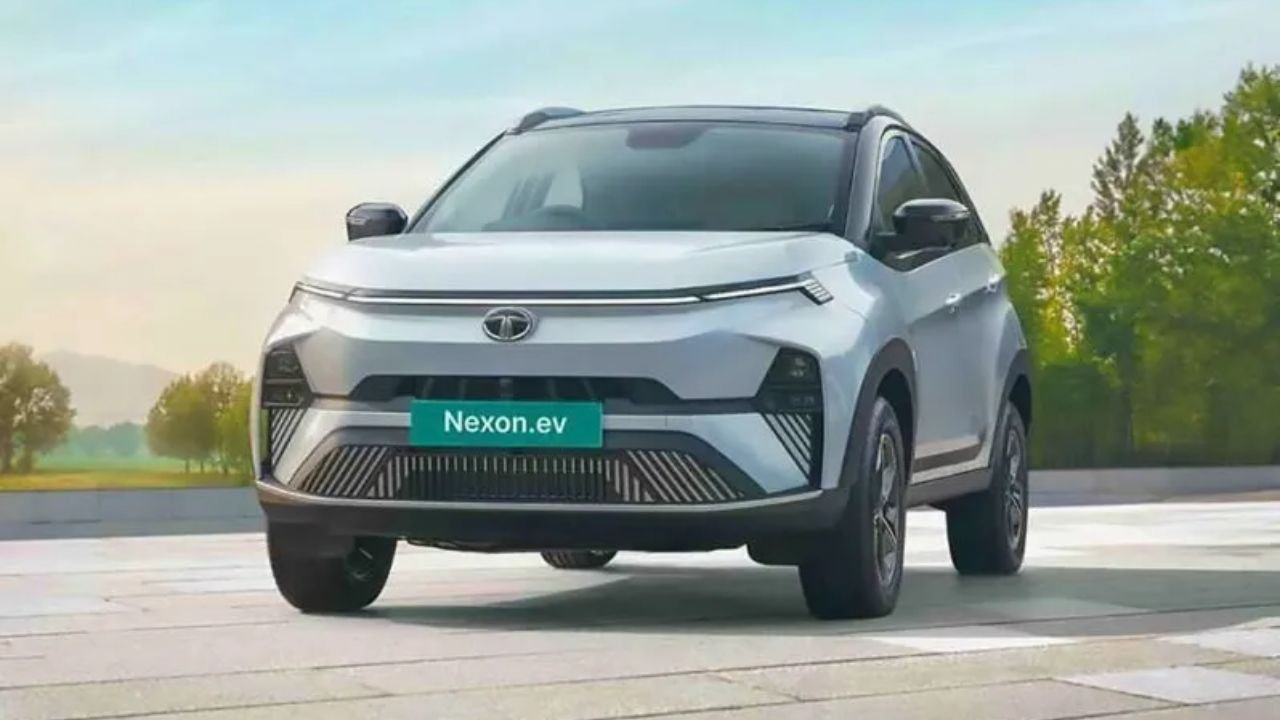
| Tata Nexon EV | 30.2 | ₹3.5 lakh – ₹4.5 lakh |
| Tata Tiago EV | 19.2 | ₹3.8 lakh |
| Tata Tigor EV | 26 | ₹4.5 lakh – ₹5.5 lakh |
| Tata Punch EV | 25 | ₹4.5 lakh – ₹5 lakh |
| MG Comet EV | 17.3 | ₹3 lakh – ₹3.5 lakh |
| MG ZS EV | 50.3 | ₹6.6 lakh – ₹8.5 lakh |
| Mahindra XUV400 | 34.5 | ₹5 lakh |
| Mahindra eVerito | 21.2 | ₹3.2 lakh – ₹4.2 lakh |
| Citroën eC3 | 29.2 | ₹5 lakh |
| Hyundai Kona Electric | 39.2 | ₹11.9 lakh |
| Hyundai Ioniq 5 | 72.6 | ₹10.5 lakh – ₹12.5 lakh |
| Kia EV6 | 77.4 | ₹11 lakh – ₹13 lakh |
| Mercedes-Benz EQC | 80 | ₹12 lakh – ₹14 lakh |
| Audi e-tron | 95 | ₹14 lakh – ₹16 lakh |
Understanding these replacement costs lets you plan better. It also highlights how premium EVs come with high-capacity, high-cost batteries, raising the overall electric car battery price in India significantly.
Who Makes These Batteries in India
Most Indian firms have also started manufacturing EV batteries. Amara Raja and Tata Autocomp, and Exide are some of the best. These brands are concerned with quality, safety, and production, which is local. This is cost-reducing and enhances supply.
At the same time, some foreign companies are also entering the Indian market. They plan to open factories here to reduce import costs. All these efforts help in lowering the electric car battery price in the long term. It also boosts jobs and helps the economy grow.
Battery Life, Warranty, and Driving Range
Majority of the batteries have a guarantee of 8 years or 1.6 lakh kilometers. With good maintenance, they can be used last 10–15 years. Factors such as extreme hot weather, inefficient charging and bad driving can shorten battery life. Regular care can help you get the most out of your EV battery.
The distance your car can cover is dependent upon the size of battery. Smaller cars are powered with batteries of 15–25 kWh, giving 150–250 km range. The larger SUVs have 60–100+ kWh batteries that provide up to 500+ km. So if you drive long distances, you’ll need a higher battery capacity.
Growing EV Battery Market in India
India’s battery market is growing very fast. In 2025, it’s worth several billion dollars. By 2030, the market could reach ₹1.2 lakh crore ($15 billion). The government wants to build up to 50 GWh of battery production capacity by 2025.
This implies additional factories, additional jobs locally, and a reduction in the cost of batteries. The EV market of India is among the rapidly developing in the world. Such an increase will reduce the price, or rather the cost, of electric car batteries in India and make EVs more prevalent in each city and town.
Investing in the EV Battery Sector
If you’re thinking about investment, this sector is a good place to look. Indian battery companies are growing fast. Companies like Amara Raja and Exide are seeing more demand. Some smaller firms are also entering the space.
Investors should always research well. Not all companies are safe bets. But as demand for electric vehicles rises, battery-related stocks could give good returns in the long run.
Battery Swapping and Its New Demand
Battery swapping is getting attention now. Instead of waiting for a charge, you just swap the empty battery for a full one. This takes 3–5 minutes. It works best for e-rickshaws and delivery scooters.
This model lowers the car’s cost since the battery is separate. It helps bring down the electric car battery price in India for some users. Companies are now opening swap stations across cities.
Final Thoughts on EV Batteries in India
India is moving fast towards an electric future. The key to that future lies in better batteries. The electric car battery price in India is falling slowly. More factories and new technology will help speed this up. By 2030, EVs will be a normal sight on every road.
Whether you are a buyer or investor, now is the time to learn more about EV batteries. Knowing how they work, what they cost, and what to expect can help you make smarter choices. By having improved batteries, clean travel becomes easy and pocket-friendly.
Share via: