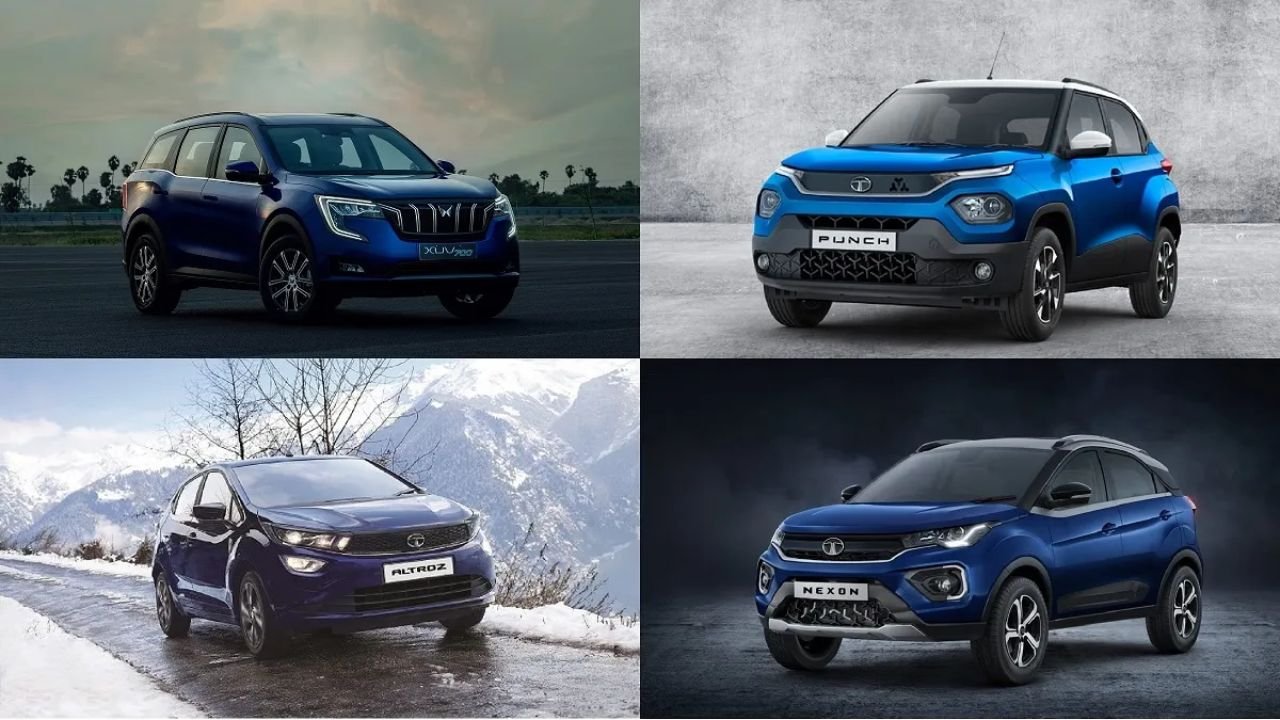
Light motor vehicle means a small vehicle that is mostly used for private purposes. These vehicles are not meant for heavy transport but are common on Indian roads. Cars, jeeps, small vans, and even auto-rickshaws fall into this group. To drive them, a person must hold the right type of licence. In this guide, you will find all details about licences, vehicle types, documents, and rules explained in a clear and easy way.
What is an LMV ( light motor vehicle means)?
A light motor vehicle means any vehicle that is not for heavy transport. These include jeeps, cars, small vans, taxis, and even e-rickshaws. Such vehicles usually carry people or light goods. Their weight limit is lower compared to heavy vehicles. Reports show LMVs have a gross vehicle weight of either 3,500 kg or 7,500 kg, depending on state rules. The vehicles usually have black letters on a white number plate, which marks them as private.
Importance of knowing this meaning
This definition matters because every driving licence in India is based on vehicle type. If you know exactly what light motor vehicle means, you can apply for the correct licence, avoid fines, and ensure your vehicle use is legal. It also affects insurance, as policies depend on this classification.
Who can drive these vehicles and what licence is needed?
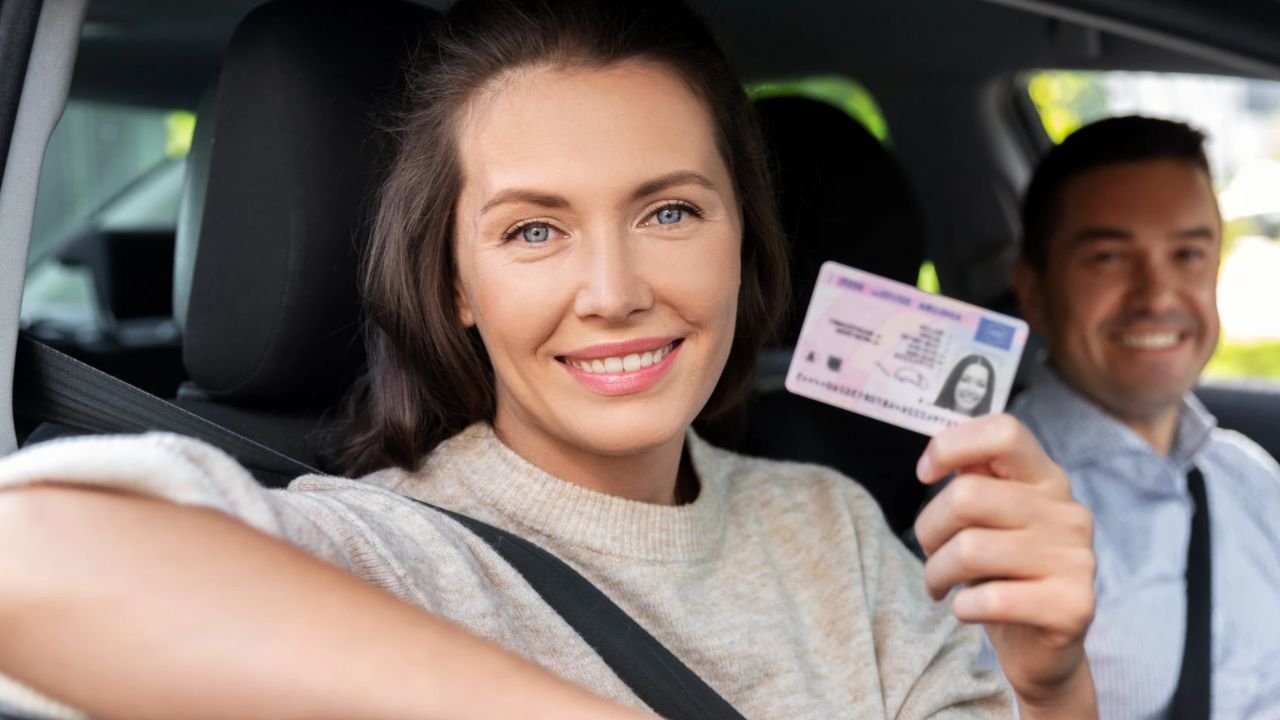
To drive an LMV, you need a valid driving licence. There are different licence types based on whether the vehicle is used for private or commercial purposes.
Licence categories explained
There are two main types of licences for LMVs:
- LMV-NT (Non-Transport): This licence allows you to drive vehicles for personal use such as cars and jeeps. First, you must apply for a learner’s licence. After passing the driving test, you will get a permanent licence.
- LMV-TR (Transport): This licence allows you to drive taxis, delivery vans, and other transport vehicles. The minimum age to apply is 18 years in most states, but some states require 20 years for commercial vehicles.
Benefits of holding a licence
Holding an LMV licence is more than just following rules. It serves as legal identity proof. It ensures that you are recognised as a skilled and trained driver. Most importantly, it allows you to drive without restrictions, helps in insurance claims, and prevents penalties on the road.
How can you apply for an LMV licence?
Applying for this licence is a step-by-step process. Today, most states allow online applications.
Online process step by step
To start, visit the Sarathi Parivahan portal. Create your account and choose the LMV option. Fill in all details carefully and upload the necessary documents. Pay the required fees online. Print the completed form for reference.
RTO visit and driving test
After applying online, you must visit your Regional Transport Office (RTO) on the scheduled date. At the RTO, you will need to give a written test to check your knowledge of traffic rules. After this, a practical driving test is conducted. If you pass both, your licence is approved. The physical card is sent by post, while a digital copy may also be sent to your email.
What documents and fitness checks are required?
You must keep certain documents ready while applying. Without them, your application will be delayed or rejected.
List of documents
- Application form for LMV licence
- Age proof (Aadhaar card, PAN card, or birth certificate)
- Address proof
- 3 passport size photographs
- Medical fitness certificate
- Pass certificate of written exam
Different states may ask for extra documents, so always check with your state RTO before applying.
Fitness and medical tests
An eye test is compulsory to ensure safe driving. You must also be free from serious health problems that could affect driving. For a commercial licence, stricter health and fitness checks are conducted.
Which vehicles are included, and what about old vehicles?
Let’s look at the common types of vehicles that fall under this category.

Vehicles under LMV
The list of vehicles includes:
- Cars
- Vans
- Jeeps
- Auto-rickshaws
- Taxis
- Delivery vans
- E-carts
- E-rickshaws
These are the most common LMVs seen on Indian roads.
Policy on old vehicles
Older vehicles are a major concern. Data shows:
- 51 lakh LMVs are more than 20 years old.
- 34 lakh LMVs are more than 15 years old.
To deal with this, the government introduced a vehicle scrappage policy. The aim is to reduce pollution, improve safety, and encourage new vehicle use. This policy ensures old and unsafe vehicles are removed gradually from Indian roads.
Quick Facts:
| Topic | Number / Note |
| Private LMVs on road | 5.3 crore |
| Personal two-wheelers 15+ years | 1 lakh+ |
| LMVs older than 20 years | 51 lakh |
| LMVs older than 15 years | 34 lakh |
| LMV GVW limit (one report) | 7500 kg |
| LMV GVW limit (other report) | 3,500 kg |
| Engine capacity mention | around 50cc |
What steps should you follow as a driver?
A proper checklist helps you stay safe and avoid problems.
Checklist for applicants and drivers
- Apply for a learner’s licence first.
- Clear the written test.
- Pass the driving test at the RTO.
- Carry your licence at all times.
- Keep your vehicle documents updated.
- Renew your licence before it expires.
Driving tips for safety
Always follow traffic rules. Keep your vehicle fitness certificate updated. Carry insurance papers with you. Respect speed limits and road signs. This ensures safe driving and protects you legally.
Conclusion:
In short, light motor vehicle means a small, private vehicle that most people use daily. It includes cars, jeeps, and vans that fall under specific weight limits. To drive them legally, you must apply for the correct licence and pass all required tests. Holding this licence not only makes you a responsible driver but also helps you in insurance and identification matters. By following traffic rules, keeping documents ready, and ensuring fitness of your vehicle, you can enjoy safe and lawful driving on Indian roads.