
Driving is a big responsibility in India. It does not matter whether you are driving a car on a personal errand or for professional purposes; the correct license is important. Many people ask what LMV means in driving license. This term may sound technical, but it simply refers to Light Motor Vehicles – the category most personal and small commercial vehicles fall under. Let’s walk through everything you need to know about LMV driving License.
This guide will help you understand what LMV is, who needs it, and how to apply. We’ve explained everything in short, easy paragraphs with key examples, so even first-time drivers can follow along easily.
What LMV Really Means in Driving License
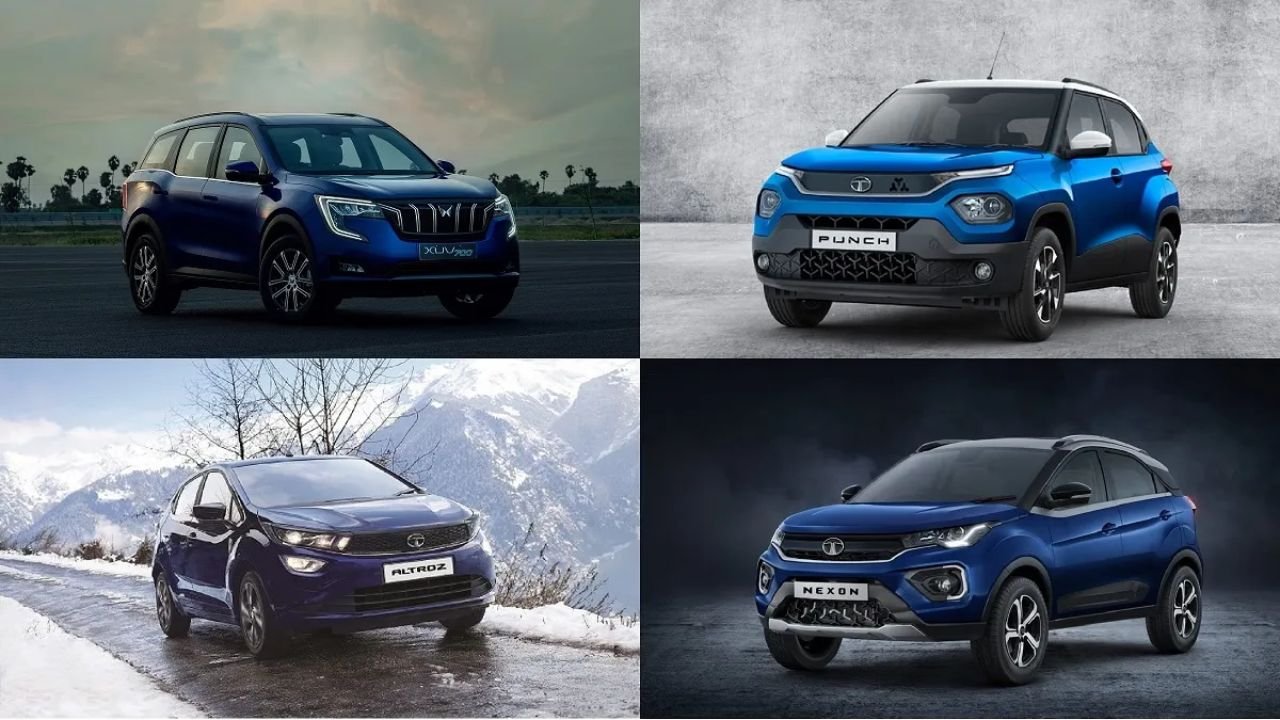
Light Motor Vehicle is called LMV. It has ordinary vehicles such as hatchbacks, sedans, small vans and even taxis. These cars tend to have a weight that is less than 7,500 kg. Lmv means in driving license is nothing but your permit to run these light four-wheelers on Indian roads.
It includes both personal and small-scale commercial use vehicles. Whether you drive a Hyundai i10 or a Maruti Eeco, chances are your vehicle comes under LMV. So, this license suits most people who drive daily in cities or small towns.
Common Vehicles Covered Under LMV
It’s important to know what vehicles are part of LMV. This helps you choose the right license category. Below is a simple table showing examples of vehicles under the LMV tag.
| Vehicle Type | Example Models | Usage Type |
| Small Hatchbacks | Maruti Alto, Hyundai i10 | Personal Use |
| Sedans | Honda City, Hyundai Verna | Personal Use |
| SUVs and MUVs | Toyota Innova, Kia Seltos | Personal/Taxi |
| Vans & Taxis | Maruti Eeco, Omni | Commercial Use |
| Mini Pickup Trucks | Tata Ace, Mahindra Supro | Commercial Use |
The list shows that most city vehicles fall under LMV. The regulations depend on the type and the purpose and weight of a vehicle, rather than on the model name.
LMV License Types for Drivers
You can apply for different LMV license types based on vehicle usage:
- LMV-NT: For non-transport. Best for personal use.
- LMV-TR: For transport. Meant for commercial driving like taxis or delivery vans.
This is because you need to apply under the right category according to your need. Illegal license may result in legal trouble.
Eligibility to Apply for LMV in India
There are some rules that a person is required to meet to obtain an LMV license. To begin with, the age should be 18 years and above. You don’t need a college degree, but basic reading and road knowledge are expected. You also must hold a learner’s license first. The medical check is simple. Most RTOs will ask for an eye test. You must also be physically and mentally capable of driving a vehicle. In the case of LMV-TR, additional training or certificates in driving schools can be needed.
How to Apply For LMV Driving License (Online and Offline)
India allows both online and offline applications. The online method is faster for tech-savvy users. You visit the official transport portal, fill out the form, upload documents, pay fees, and book a driving test slot.
The offline method is paper-based. You must visit your nearest RTO, get the form, attach passport photos, submit documents, pay fees, and book your test. Both ways end with a practical driving test. If you pass, you get your LMV license.
Benefits of Holding a Valid LMV License
Having a valid LMV license offers many benefits:
- Journey within the framework of law in India.
- Become eligible to work in transport.
- Avoid fines and legal issues.
- Use license as identity proof.
- Become eligible for advanced license classes (like HMV).
Renewal and Upgrading the LMV License
LMV licenses last for a specific period. If you got yours before turning 40, it’s valid for 20 years or until you turn 40—whichever comes first. After that, renewals happen every 10 years till age 50, and every 5 years beyond that.
You can also upgrade your LMV license. If you plan to drive heavy trucks or buses in the future, an LMV license is your first step. After experience and further training, you can apply for HMV (Heavy Motor Vehicle) categories.
Real-World Use of LMV License in India
The LMV vehicles are a very important vehicle to the cities, towns of India. Millions of people, including self-car owners and the drivers delivering goods, have this license. It is critical to transport, mobility, and small business logistics.
Understanding “lmv means in driving license” gives clarity. It assists you in selecting the appropriate category, preventing lawsuits, and remaining secure on the roads. You can be 18 years or 48, it is not too late to apply.
Final Thoughts:
Now you are aware of LMV means in driving license. It is your key to driving the most popular types of vehicle in India. This license is your legal option whether you want to commute to work or operate a delivery company. There is only a need to select LMV-NT as personal use and LMV-TR as commercial work.
But ensure that your license is up to date, drive according to road regulations and be a responsible driver. The LMV license is a license to freedom not only to the individual but to safer roads as well. Know what and how to use it wisely.
Share via: