The supra mk4 engine is not just a motor- it is a cultural revolution in the world of cars. The engine made a high speed car legendary. And despite the fact that now it is already thirty years old, it is still one of the symbols of power, precision and personality.
Car lovers in India and across the globe still chase the thrill of owning a Supra MK4. Its performance, design, and legacy are unmatched. In this blog, we explore every aspect of this iconic engine and what it means to own one today—especially in India.
A Glimpse into Greatness: Why the MK4 Stands Out?
The Toyota Supra MK4 was born in 1993. It was the fourth generation in the Supra line. But this one was different. It had curves, speed, and a secret weapon—the supra mk4, officially known as the 2JZ-GTE.
This engine helped the car smash expectations. It wasn’t just about racing. It was about reliability, tunability, and long-term power. Even today, many supercars fail to match what this engine could do decades ago.
Looking Back: How the Supra Journey Began
Toyota introduced the Supra name in 1978. It started as a variant of the Celica. Over time, it evolved into a standalone sports car with bigger engines and better performance. Each generation built upon the last.
By the time the MK4 arrived, the Supra was no longer a side project. It was a serious sports car. And it had one mission—to beat the world’s best without costing a fortune.
A Bold Leap Forward: Second Gen Supra (1981)
The second-gen Supra, called the A60, launched in 1981. It brought a sleeker body, sharper handling, and a new inline-six engine. It looked sporty and drove better. But it was just a warm-up for what was coming next.
The Game Changer: Fourth Gen Supra (1993)
In 1993, Toyota shocked the car world with the A80, better known as the MK4 Supra. It had one focus—performance. Engineers took tech from motorsport and poured it into this machine.
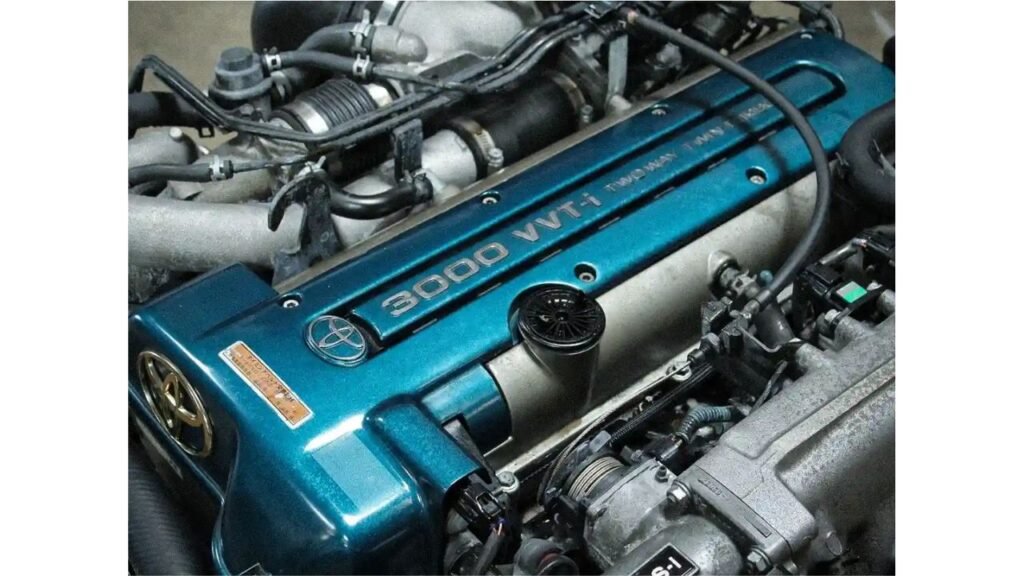
The supra mk4 engine, a twin-turbo inline-six, was built strong. People quickly learned it could handle insane upgrades. It wasn’t just fast—it was built to be faster. This made it a dream for tuners and racers.
The Rise of the MK4: Engineered for Icons
The MK4 wasn’t just another sports car. It was built to compete with Porsche, Nissan, and even Ferrari. Toyota used lightweight materials like aluminum. The design was sleek and aerodynamic. But most importantly, it was built around the engine.
The supra mk4 became the car’s identity. Tuners could push it far beyond its factory limits. With just a few changes, the 2JZ-GTE could reach over 1000 horsepower. That’s what made it legendary.
Full Breakdown: Supra MK4 Engine and Technical Details
Let’s dig into the numbers and features that make the MK4 so special.
Engine & Performance Specs
| Feature | Details |
| Engine Code | 2JZ-GTE |
| Type | 3.0L Inline-6 Twin-Turbo |
| Stock Horsepower | 276 hp (claimed) |
| Real Output (Actual) | ~320 hp (often higher) |
| Max Tuned Output | 1000+ hp (modded builds) |
| Block Material | Cast Iron |
| Turbo Setup | Sequential twin-turbochargers |
| Tech Used | DOHC, VVT-i (in later models) |
The supra mk4 is often called “bulletproof” by car builders. It handles abuse, racing, and heavy mods without breaking.
Transmission Choices
| Transmission Type | Engine Pairing |
| 6-Speed Manual (GETRAG V160) | 2JZ-GTE |
| 5-Speed Manual | 2JZ-GE (non-turbo) |
| 4-Speed Automatic | Both engine variants |
The 6-speed manual version is the most desired and rarest in the market today.
Suspension and Handling
The MK4 uses a double-wishbone suspension front and rear. Toyota designed it for precision control at high speeds. The ride is stable, even under heavy cornering. Aluminum parts helped lower weight without sacrificing strength.
Performance Numbers
| Metric | Value |
| 0–100 km/h (Turbo) | ~4.6 seconds |
| Top Speed (Limited) | 250 km/h |
| Quarter Mile Time | ~13.1 seconds (stock) |
Not bad for a car from 1993!
Size and Weight
| Spec | Value |
| Length | 4,514 mm |
| Width | 1,811 mm |
| Height | 1,275 mm |
| Weight | ~1,500 kg |
It’s light, tight, and balanced—ideal for track or daily driving.
Design That Still Turns Heads
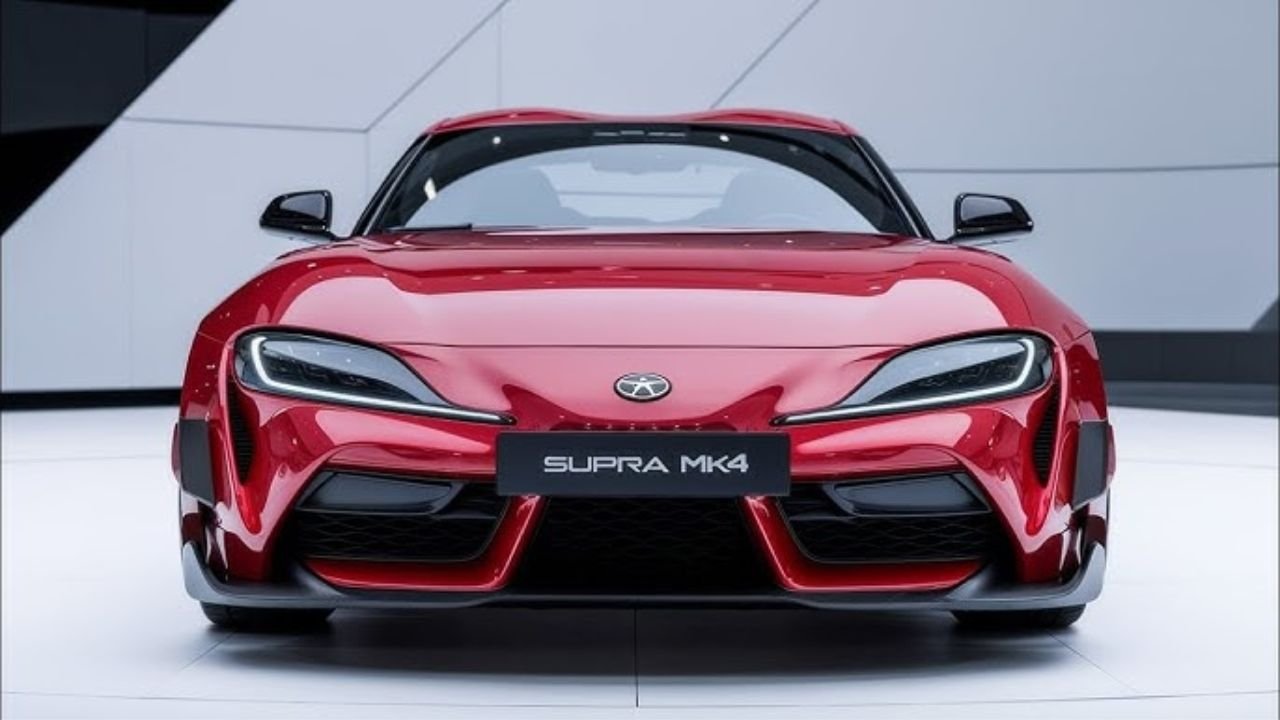
The MK4’s look remains timeless. It blends smooth curves with sharp lines and aggressive angles. Every part of its design had purpose.
Exterior Aesthetics
- Long, muscular hood
- Compact, low-slung body
- Pop-up headlights on early models
- Distinct circular taillights
- Integrated spoiler for downforce
You could spot a Supra from a mile away. And still can.
Interior Experience
Step inside and it feels like a cockpit:
- Driver-centric layout
- Leather bucket seats
- Analog-digital cluster
- Targa top option (open-air fun)
Even today, the cabin feels purposeful and sporty.
Keeping You Safe: Features That Protected Drivers
Safety wasn’t an afterthought. Toyota built the Supra MK4 to be fast and safe.
Key Safety Features
- Anti-lock Braking System (ABS)
- Brake Assist
- Traction Control
- Rear-view Camera (aftermarket upgrades)
- Rigid Frame for impact absorption
It also earned a solid 5-star safety rating globally.
Reliability & Maintenance
The supra mk4 shines here too. Many owners report over 300,000 km with just basic care.
Maintenance Schedule:
- Oil change: Every 5,000–7,000 km
- Brake checks: Every 10,000 km
- Spark plugs & timing belt: As per manual
Parts are available via import. Though not cheap, they’re built to last.
Why Supra Became a Cultural Icon?
The Supra MK4 became famous outside the car world too.
- Fast & Furious: The orange Supra became a legend overnight
- Video Games: Need for Speed and Gran Turismo featured it heavily
- Tuning Shows: Supras with wild mods rule car meets even now
The supra mk4 engine helped fuel these appearances—it made wild builds possible.
A Legacy That Keeps Growing
Even decades after its debut, the MK4 is still a dream car. It has become a collectible, with prices soaring every year. Enthusiasts love it not just for what it was—but what it still can be.
How Does It Compete Today?
Here are some rivals and how they stack up:
| Car | Notes |
| Porsche 718 | More refined, but more expensive |
| BMW Z4 | Similar in design, lacks legacy |
| Nissan Z | Close cousin in performance |
| Mustang GT | More muscle, less precision |
Still, none of them have the 2JZ-powered charm of the Supra MK4.
What It Cost Then vs. Now?
Original Price
- Around $40,000–$50,000 in the US
Today’s Market
| Condition | Price Range (USD) |
| Average Used | $60,000–$120,000 |
| Low Mileage / Collector | $200,000+ |
| Rare Auction (Twin Turbo) | $300,000+ |
It’s an appreciating asset—and a thrilling ride.
Can You Get a Supra MK4 in India?
Yes, but it takes effort. Let’s break it down.
Cost Breakdown (India)
| Component | Cost Estimate (INR) |
| Base Car | ₹30–40 lakh |
| Import Duties | ₹20–45 lakh |
| Road Registration | ₹5–10 lakh |
| Final Cost | ₹50–85 lakh+ |
A handful of units already exist in India, owned by enthusiasts and collectors.
Final Thoughts: Is the Supra MK4 Worth It?
If you want history, performance, and unmatched potential—the supra mk4 engine gives you all that. It’s rare. It’s fast. And it’s real. In India, owning one is tough but worth every rupee. This isn’t just a car. It’s a legacy. One you can drive.
Frequently Asked Questions
Q1. How much does it cost in India?
Ans. Between ₹50–85 lakh depending on model and import process.
Q2. Is the supra mk4 engine reliable?
Ans. Yes. It’s one of the most reliable performance engines ever made.
Q3. Can I modify it legally?
Ans. Yes. But upgrades must follow local safety rules.
Q4. Are there any Supra MK4s already in India?
Ans. Yes. A few have been privately imported and occasionally show up at auto expos.